


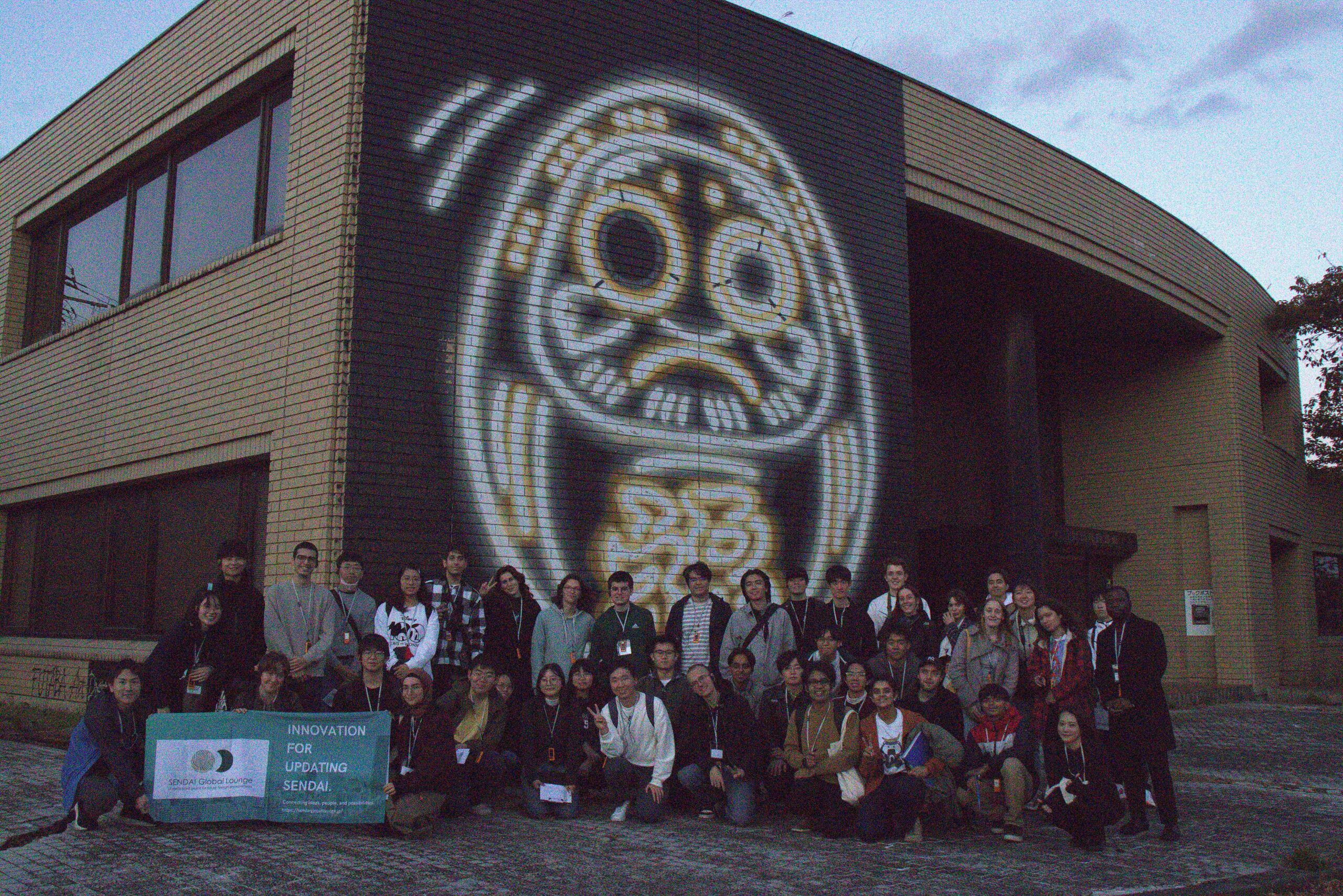
On November 1, 2025, the SENDAI Global Lounge invited international residents in Sendai to a one-day field trip to the coastal area of Fukushima, where they explored how the region has been rebuilding since the 2011 Great East Japan Earthquake, tsunami, and nuclear accident. The trip quickly filled up within five days, showing high interest, particularly among international students. About forty participants joined this trip, including students from the Tohoku University course “Seminar on Reflecting on the Reconstruction of Fukushima’s Coastal Region” taught by Dr. Trishit Banerjee.
Global Sparks in Futaba
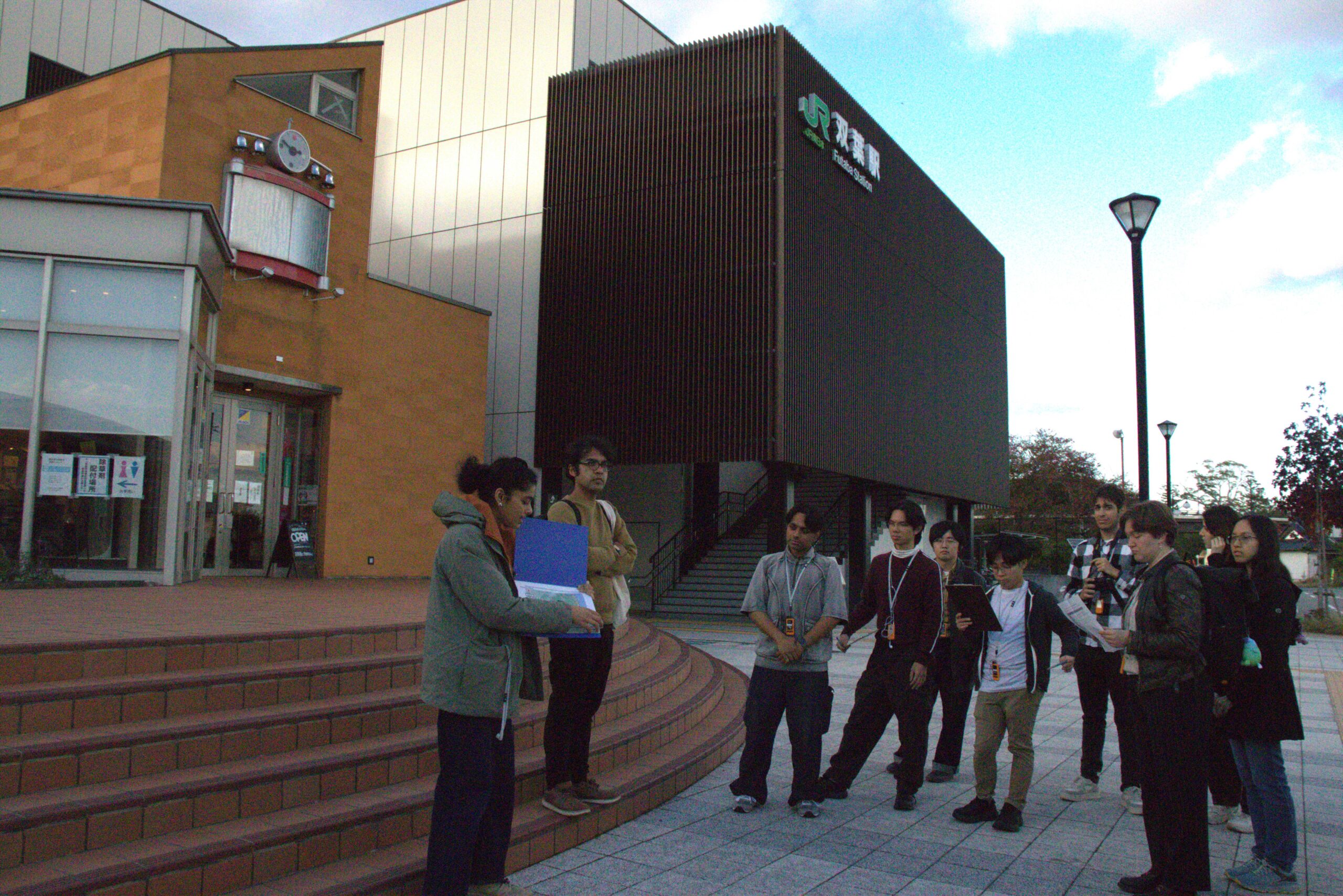
This field trip was guided by Dr. Trishit Banerjee and Ms. Swastika Harsh Jajoo, both members of the Futaba Area Tourism Research Association (F-ATRAs).
Dr. Trishit, who earned his doctoral degree in Chemistry at Tohoku University, has been channeling his passion into the revitalization of Futaba town. Despite his background as a scientific researcher, he was deeply drawn to the people and culture of Tohoku, which led him to take part in an internship with F-ATRAs during his studies at Tohoku University. Motivated by a strong desire to support local recovery through his expertise and experiences, he continues to play an active role in the town’s initiatives.
Together with Ms. Swastika, who provided thoughtful English–Japanese interpretation and holds a Masters degree in Linguistics from Tohoku University, they conveyed local perspectives and emotions that might otherwise be difficult to grasp because of language and cultural differences. Thanks to their guidance, international participants were able to gain a deeper understanding of the area’s challenges, recovery efforts, and hopes for the future.
Disaster impacts in Fukushima
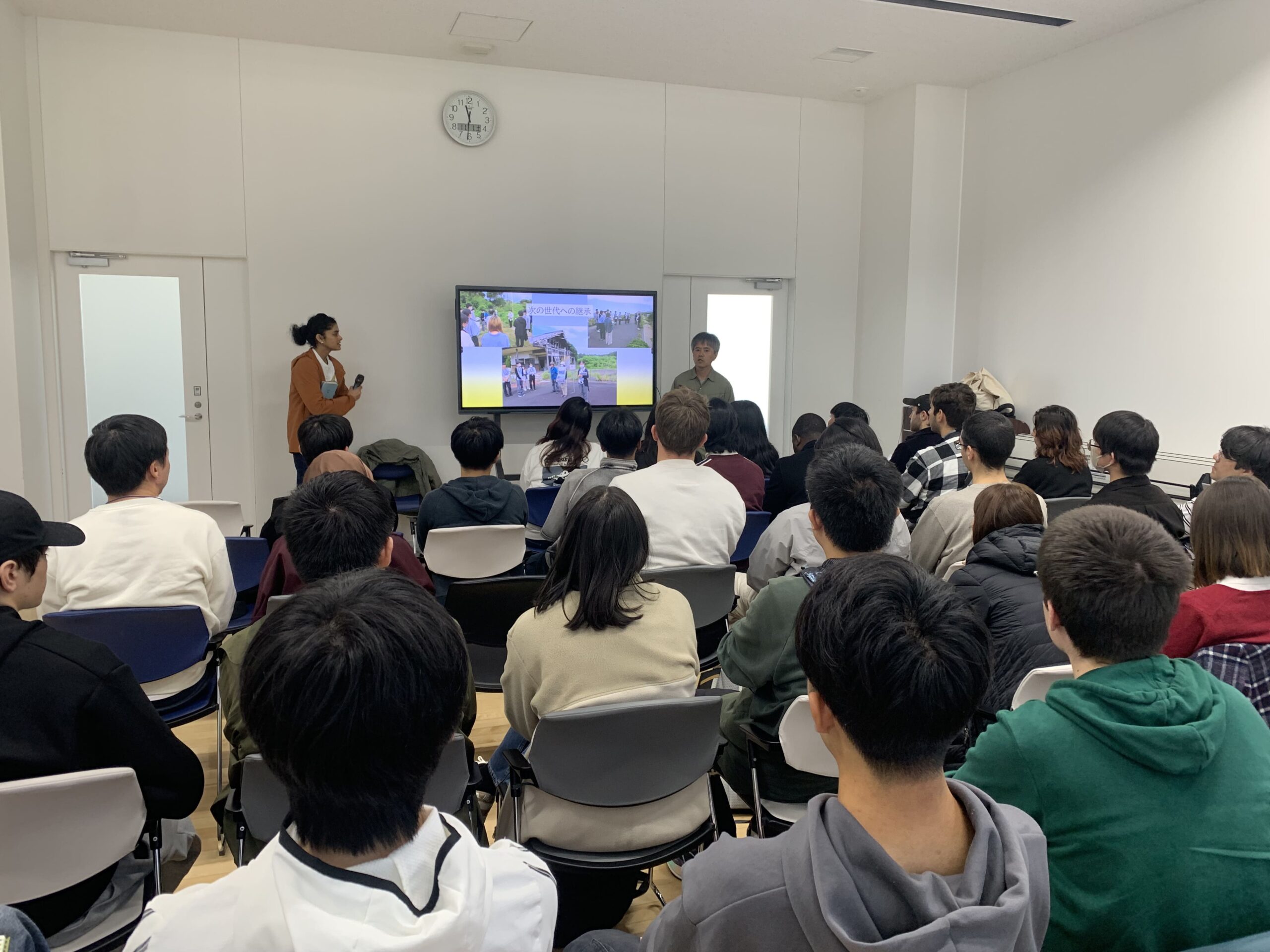

The first part of the trip focused on understanding the disaster’s human and social impact. During a storytelling session at the Futaba Business Incubation and Community Center, Mr. Norio Kimura shared his personal experience of losing family members in the tsunami while living in Ōkuma Town near the Fukushima Daiichi Nuclear Power Plant. His talk reminded everyone of the importance of preparedness and long-term support for affected communities.
The following visit to the Great East Japan Earthquake and Nuclear Disaster Memorial Museum further deepened participants’ understanding through more than 200 exhibits, dioramas, and interactive displays that trace the timeline from the earthquake and tsunami to the recovery process.
Witnessing Reconstruction and Innovation
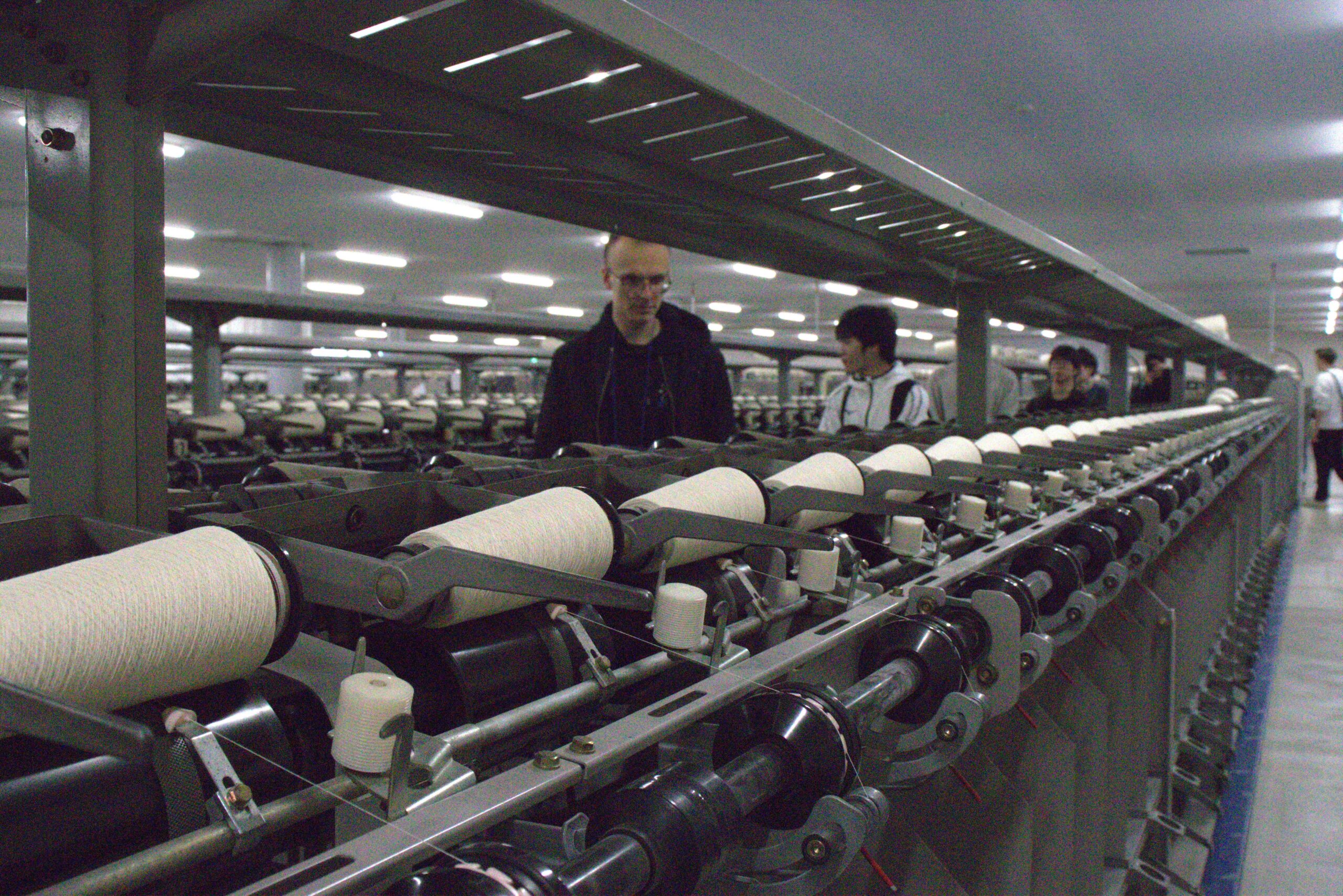
The second half of the program highlighted regional reconstruction and innovation. Participants visited Asano Nenshi’s Super Zero Mill, a textile factory established in 2023 in Futaba Town. The company produces innovative “Super Zero” thread, known for its absorbency and quick-drying features, and contributes to local employment as a symbol of the area’s rebirth.


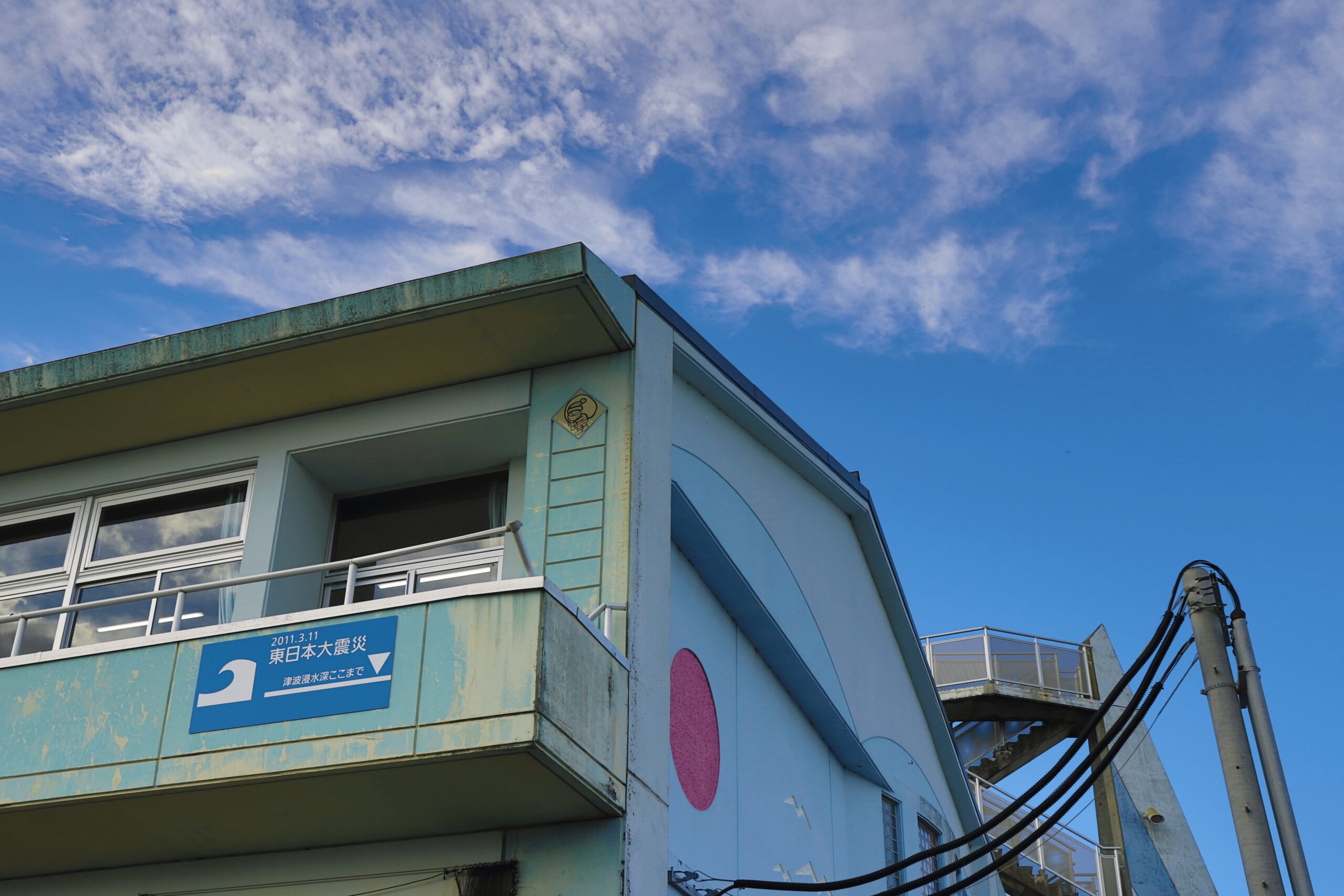
Ukedo Elementary School and a Futaba Town Story Walking Tour, allowed participants to see how disaster memory and renewal coexist. The school along with other preserved buildings and spots visited during the walking tour, serves as a reminder of the disaster and an educational landmark, while the town’s reconstruction and new facilities demonstrate resilience and hope for the future.
Reflections and Impressions
Throughout the day, participants actively exchanged thoughts and reflections, even during the return trip to Sendai after a full day of activities. Many commented that the field trip helped them rethink what “local revitalization” truly means—not only rebuilding infrastructure, but also restoring community spirit and creating sustainable livelihoods. The event offered a rare opportunity to connect the lessons of the past with visions for the future, reminding everyone that recovery is an ongoing process powered by both memory and innovation.