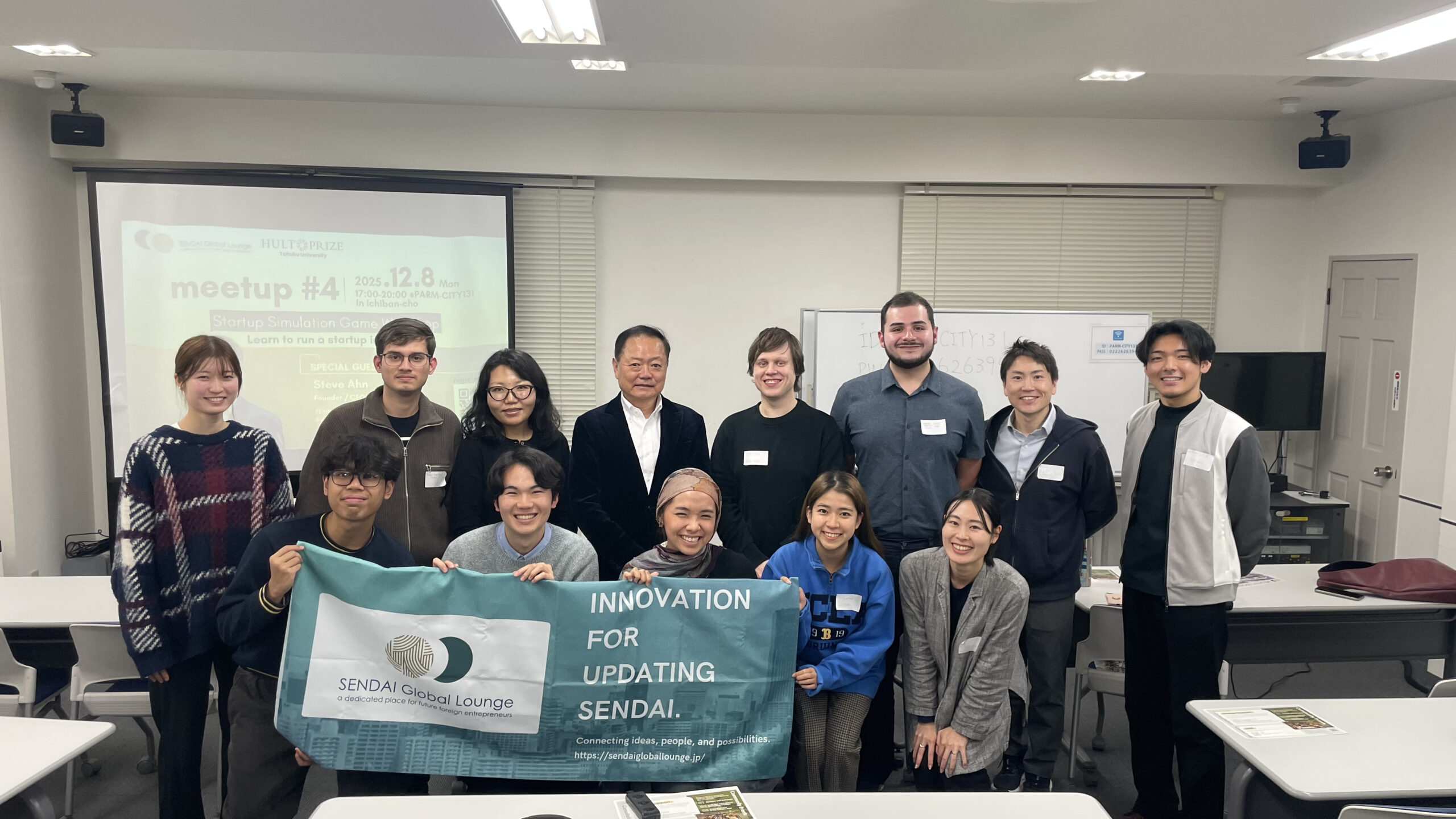


An interactive entrepreneurship workshop was held under the guidance of Prof. Ahn, offering participants a hands-on opportunity to experience the realities of building and managing a startup. Rather than relying on lectures alone, the session centered on BattMan, a startup simulation game designed to replicate real-world decision-making in a high-tech business environment.
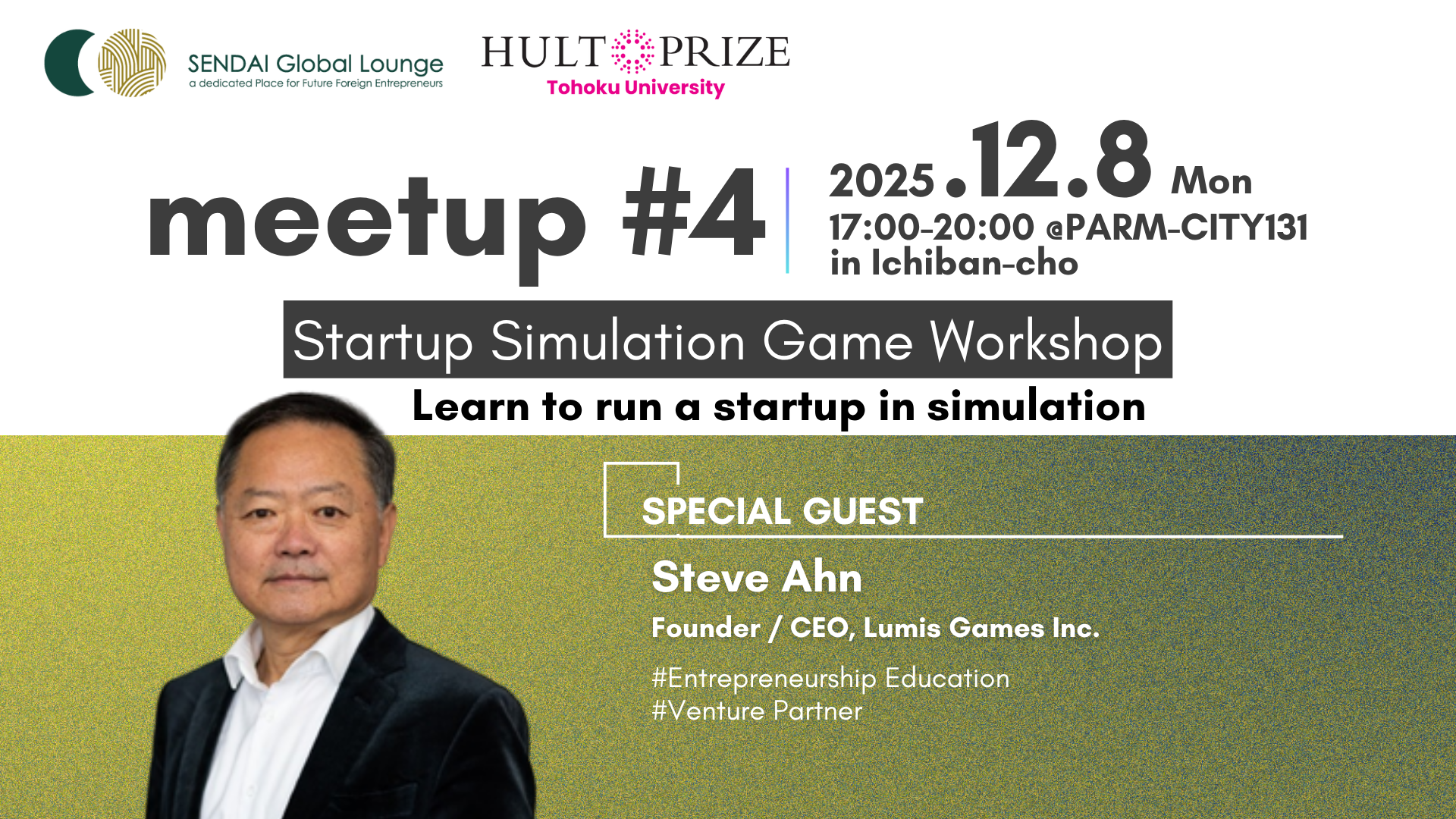
Prof. Ahn’s Entrepreneurial Journey
The session opened with Prof. Ahn sharing his extensive background as a semiconductor engineer, startup founder, and venture capitalist. Drawing from over three decades of experience across Korea, Japan, Silicon Valley, and Europe, he reflected on both successes and challenges in innovation, leadership, and risk-taking.
Prof. Ahn explained that after retiring from industry, he was invited to give a lecture on entrepreneurship at his alma mater. While honored by the invitation, he soon realized that a traditional lecture alone would not make a meaningful impact on students. Entrepreneurship, he observed, cannot be fully understood through theory or one-way instruction. It requires firsthand experience like making decisions under uncertainty, facing consequences, and learning from failure.
This realization shaped his educational philosophy and motivated him to develop experiential learning tools that allow students to experience entrepreneurship rather than merely study it. By recreating real startup conditions in the classroom, Prof. Ahn sought to bridge the gap between theory and practice. 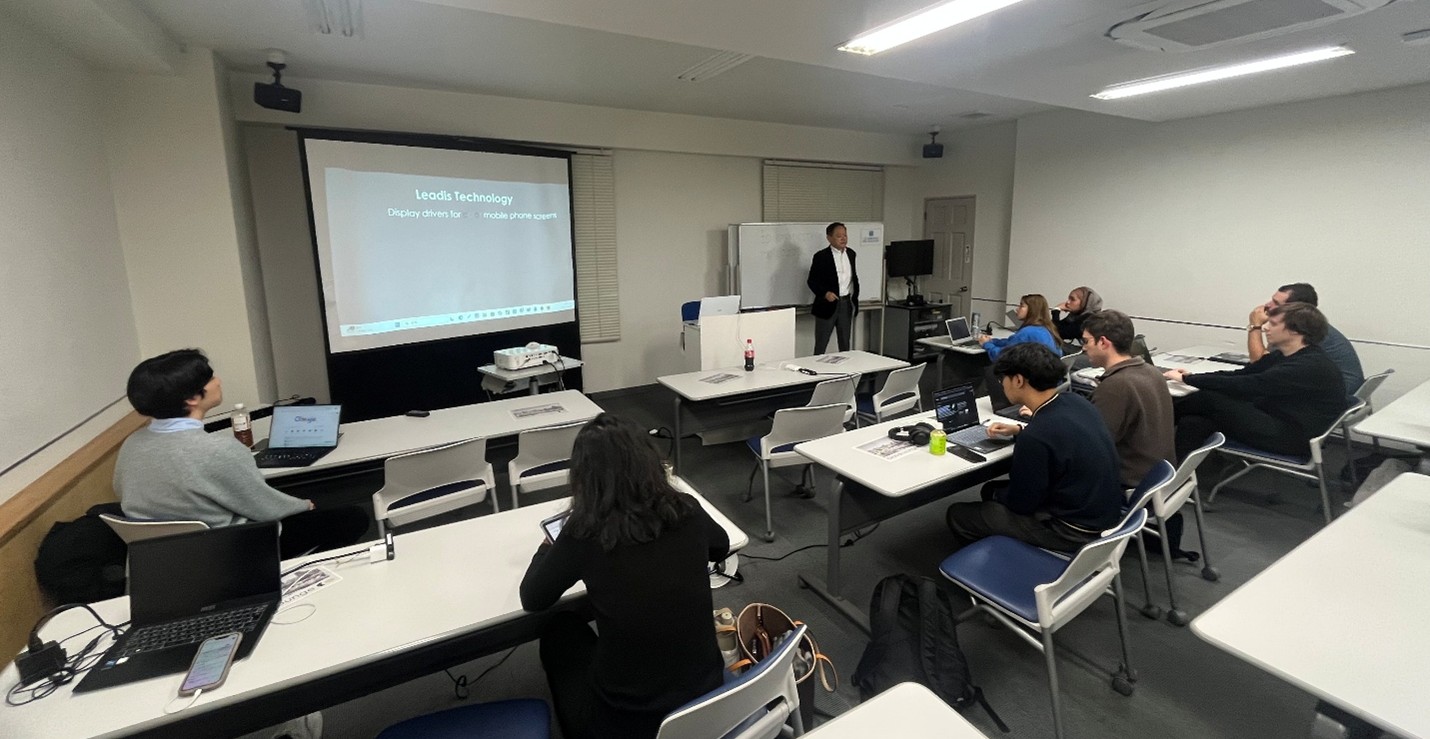
BattMan: A Startup Simulation Game
The core activity of the workshop was BattMan, a startup simulation game focused on the Battery Management Systems (BMS) industry, an emerging and strategically important field linked to electric vehicles and clean technology. In the game, participants formed startup teams and collectively assumed the roles of company founders, acting as CEO, CTO, and other executive leaders.
Each team managed a virtual startup over multiple simulated months.
Their responsibilities included:
- Developing and upgrading products across multiple generations
- Hiring engineers and executive staff
- Outsourcing manufacturing to overseas partners
- Securing funding through equity investment or loans
- Managing cash flow to avoid bankruptcy
The simulation emphasized that startup success is not determined by technology alone. Teams had to balance company valuation, ownership dilution, profitability, and timing, mirroring the strategic trade-offs faced by real entrepreneurs.
Decision-Making under Pressure
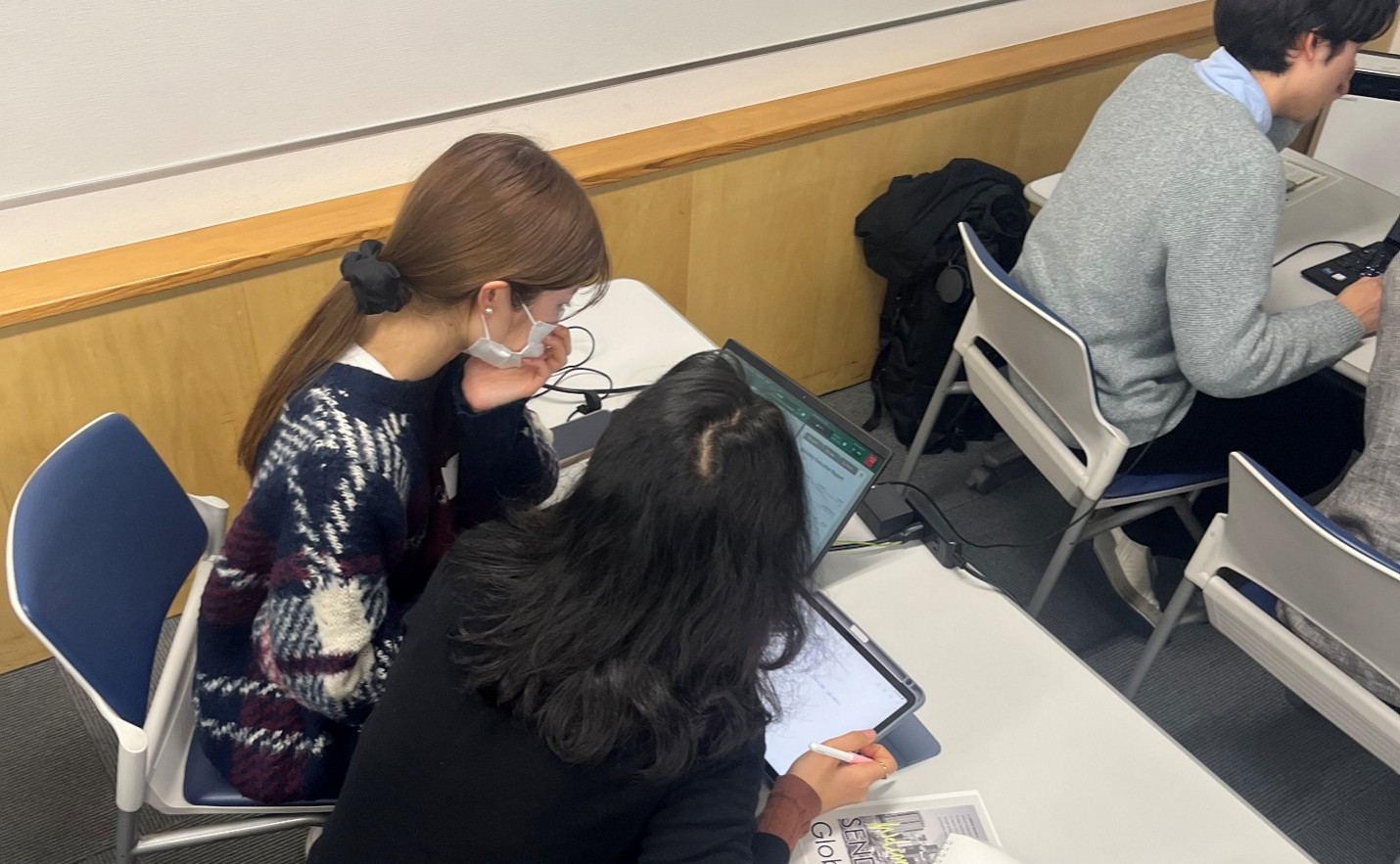
One of the most impactful lessons of the BattMan game was the importance of cash flow management. Participants quickly learned that even promising startups can fail if production costs, payment timing, and financing decisions are mismanaged. Delays between manufacturing expenses, sales, and revenue collection created realistic financial pressure throughout the game.
Prof. Ahn highlighted that many real world startups fail not because of poor ideas, but because of weak financial planning. This lesson became tangible as teams that failed to anticipate cash shortages faced bankruptcy within the simulation. The experience encouraged participants to communicate closely, analyze risks carefully, and think several steps ahead when making decisions.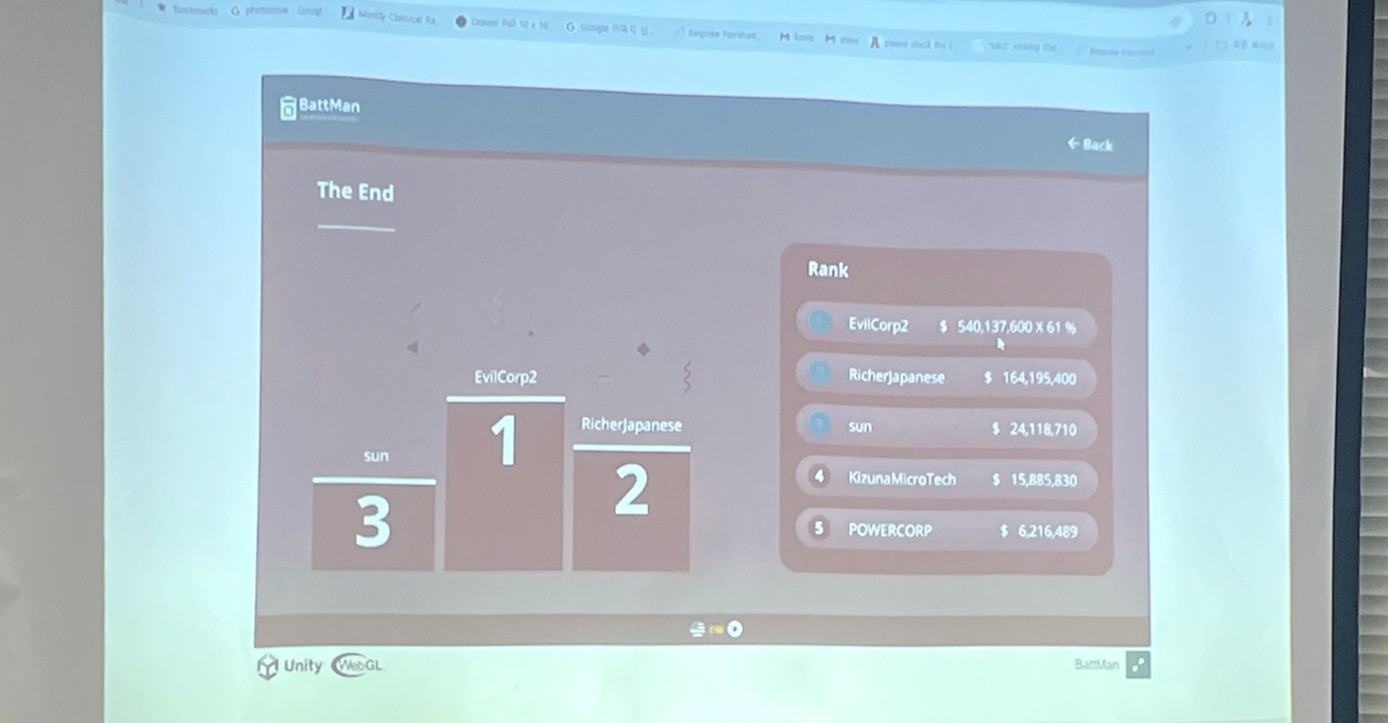
Educational Impact and Reflections
Through the BattMan simulation, participants gained a deeper understanding of entrepreneurship as a dynamic and uncertain process. They experienced firsthand the trade-offs between control and growth, speed and sustainability, and short-term survival versus long-term vision.
The workshop demonstrated the effectiveness of game-based learning in entrepreneurship education. By placing participants in realistic startup scenarios, Prof. Ahn’s approach transformed abstract concepts, such as valuation, investment, and risk, into lived experience.
This educational impact was also reflected in participant feedback. The results showed a high level of satisfaction, with all respondents rating the event as Good. Many participants also shared positive feedback on the interactive format and Prof. Ahn’s speech, and expressed interest in attending more hands-on workshops focused on business fundamentals, startup processes, and networking opportunities.
The event ultimately highlighted how experiential learning can foster critical thinking, teamwork, and practical insight, equipping participants with a more realistic understanding of what it takes to build and sustain a startup in today’s global and competitive environment.